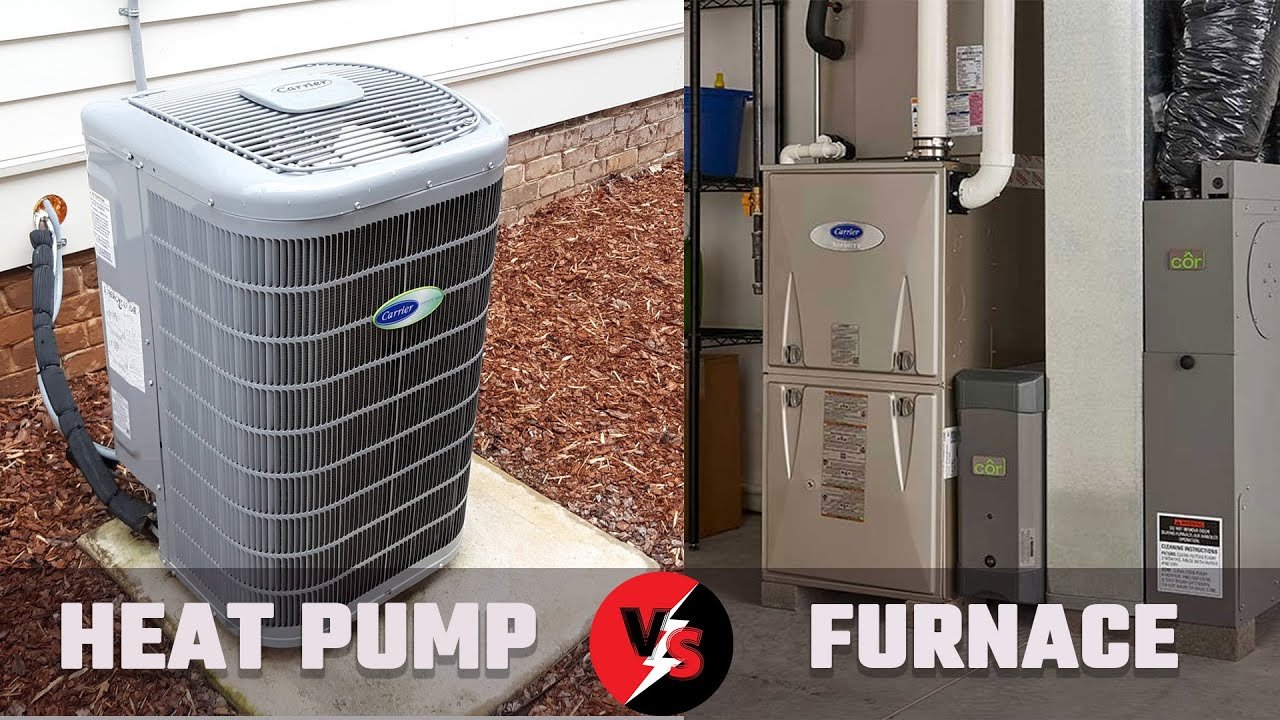
If your heating system is getting old, struggling to keep up, or you’re planning a new build, you’ve probably run into the same question: should you choose a heat pump or a furnace? Both can keep your home warm, but they work in very different ways, and the better choice depends on your climate, your house, and your priorities.
This guide walks through the heat pump vs. furnace decision step by step. You’ll learn how each system works, where each one shines, what to weigh before you buy, and when a different option, like a ductless system, may be the smarter move.
How a Furnace Works
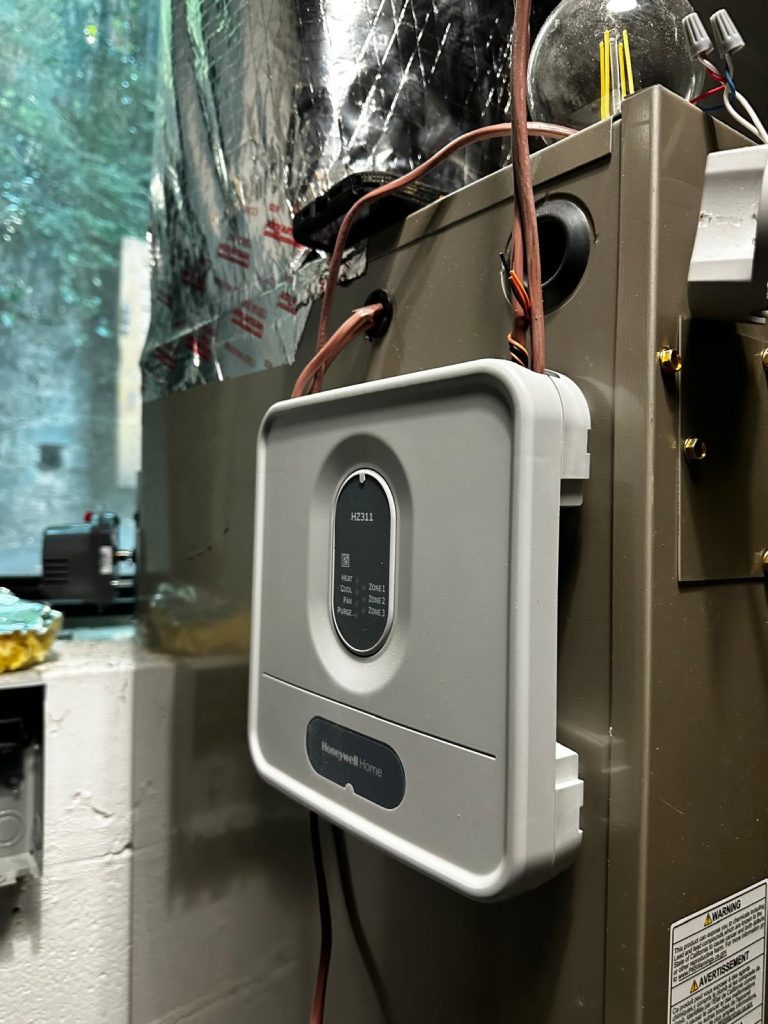
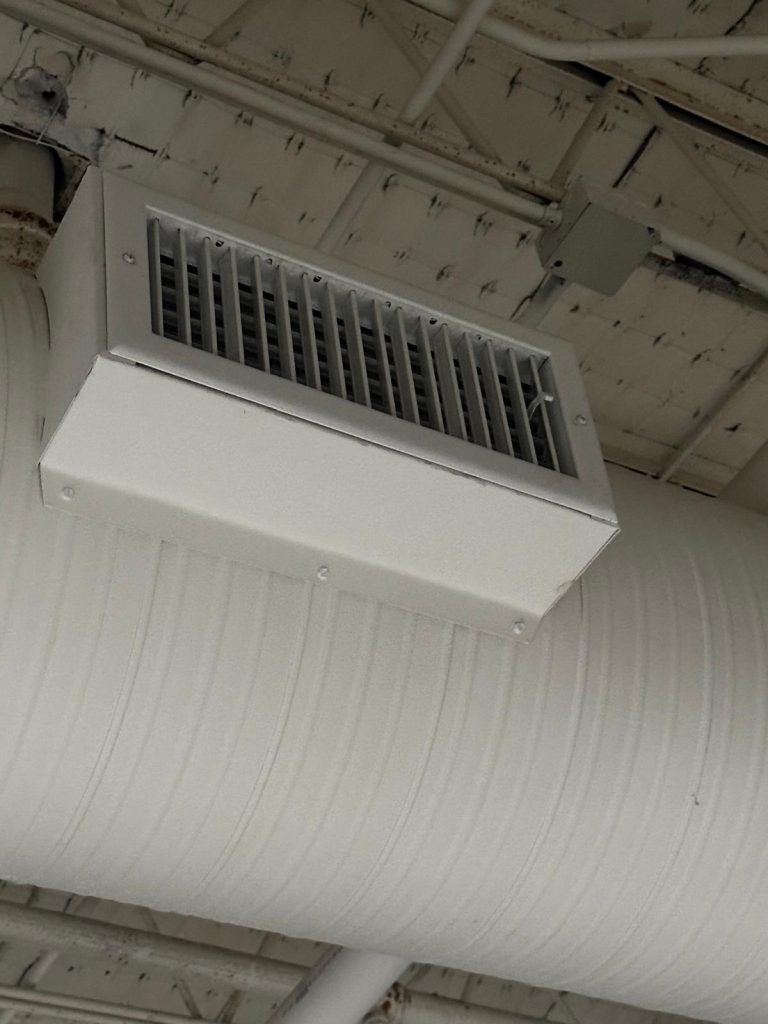
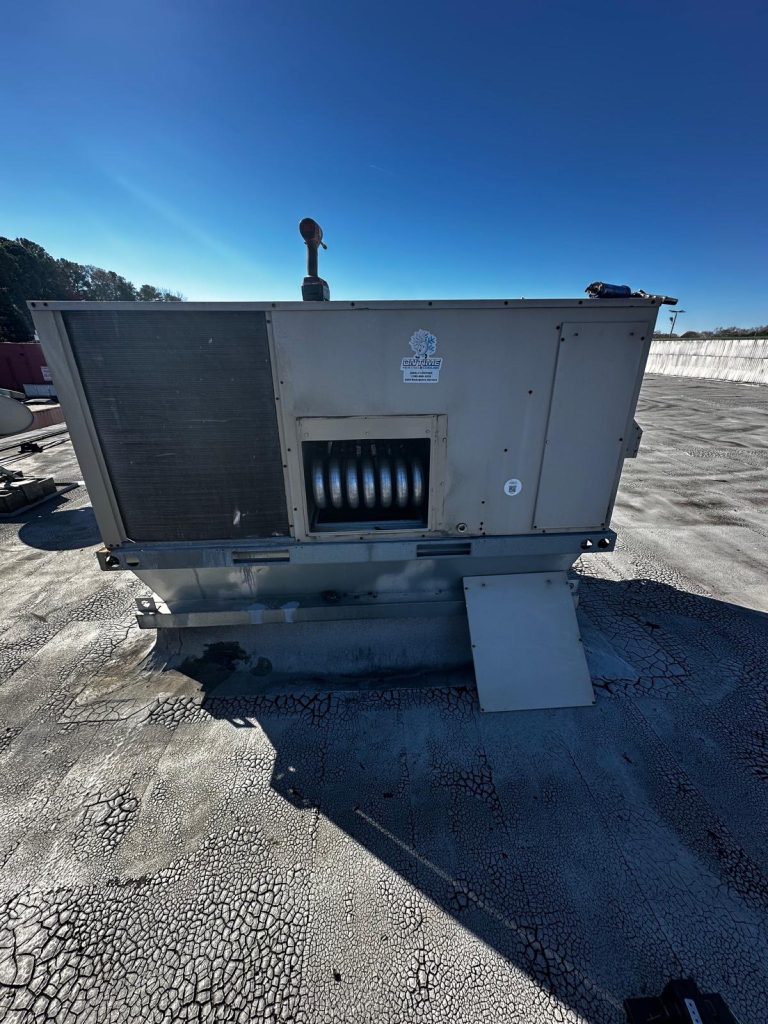
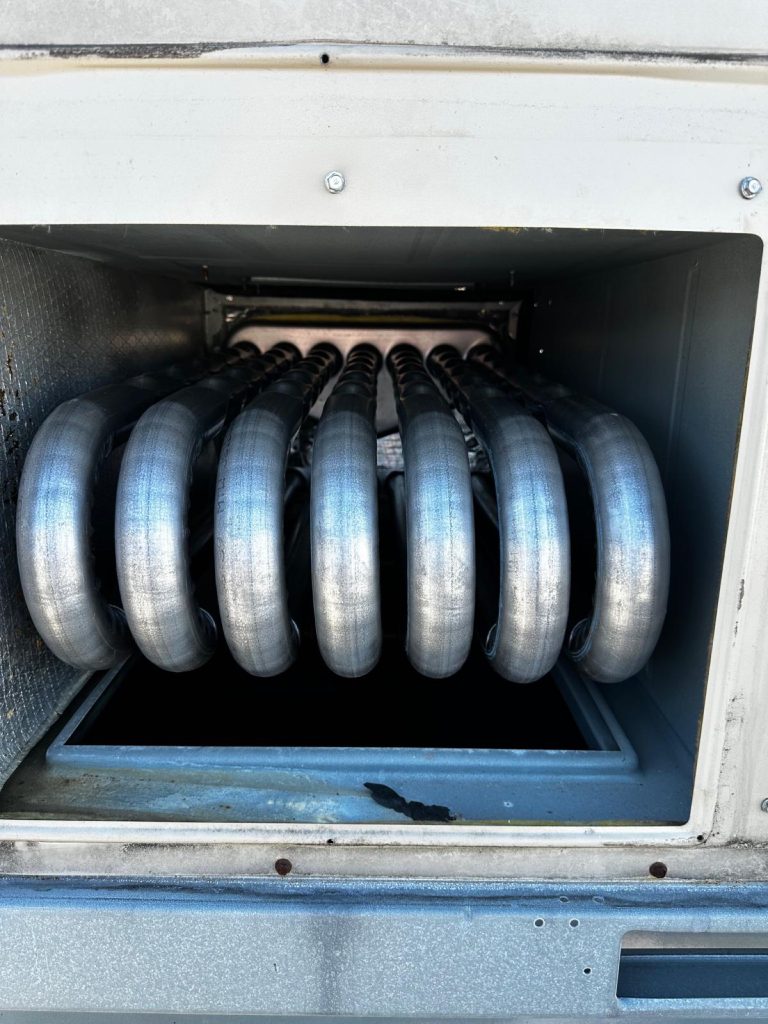
A furnace generates heat by burning fuel, most commonly natural gas, though some run on propane, oil, or electricity. The burner heats a component called a heat exchanger. A blower then pushes air across it and sends the warmed air through your ductwork and out of the vents in each room.
Because a furnace creates its own heat, it can deliver strong, consistent warmth even when it’s very cold outside. Its job is heating only. Cooling comes from a separate air conditioner, which usually shares the same ductwork and blower.
How a Heat Pump Works
A heat pump doesn’t burn fuel to make heat. It moves heat from one place to another using refrigerant, the same principle that lets your air conditioner cool your home.
In summer, a heat pump acts like an air conditioner. It absorbs heat from inside your home and releases it outdoors. In winter, it runs in reverse. It pulls heat from the outside air, even when it feels cold, and moves it indoors. A component called a reversing valve switches the direction.
The key difference is that one heat pump handles both heating and cooling. That’s why many homeowners see it as an all-in-one system.
Why Climate Matters
Climate is the biggest factor in the heat pump vs furnace decision.
Heat pumps are at their best in moderate climates, where winter temperatures rarely stay far below freezing. In those conditions, they can heat efficiently without working very hard. As outdoor temperatures drop, a standard heat pump has to work harder to pull in heat, and its output can fall. Many models include backup heat, often electric resistance strips, to fill the gap.
Furnaces are less affected by outdoor temperature. Because they generate their own heat, they handle long, deep cold spells well. If your area has harsh winters, a furnace is often the more dependable choice. If your winters are mild and your summers are hot, a heat pump’s ability to do both jobs can be a good fit.
Heat Pump Pros and Cons
Advantages
- One system, two jobs. It heats and cools, so you maintain one piece of equipment instead of two.
- Efficient in moderate weather. Moving heat generally takes less energy than creating it.
- No combustion. There’s no flame or flue involved in heating, and no gas line is required for heat.
- Even, steady comfort. Heat pumps tend to run for longer, gentler cycles.
Drawbacks
- Less heating power in extreme cold. Output drops as temperatures fall, and backup heat may be needed.
- Air may feel cooler at the vents. The air from a heat pump is warm, but often not as hot as air from a gas furnace, which some people notice.
- Works hard all year. Because it heats and cools, it runs in both seasons, so regular maintenance matters. A scheduled heat pump tune-up helps catch small issues before they become breakdowns.
Furnace Pros and Cons
Advantages
- Strong, reliable heat. It delivers hot air consistently, even on the coldest nights.
- Familiar and proven. Many homeowners and technicians know furnaces well.
- Good if you already have gas. If your home has a gas line and ductwork, a furnace fits naturally.
Drawbacks
- Heating only. You still need a separate air conditioner for summer.
- Burns fuel. This means ongoing fuel costs, venting requirements, and yearly safety inspections.
- Repairs add up with age. As a furnace gets older, parts wear out. Our guide to furnace repair cost explains what common repairs involve and when replacing makes more sense.
Comparing Efficiency
Efficiency is a common reason people lean toward a heat pump, but the comparison isn’t always simple.
Heat pumps are rated by SEER2 for cooling and HSPF2 for heating. Furnaces are rated by AFUE, which shows how much of the fuel becomes usable heat. A high-efficiency gas furnace can convert most of its fuel into heat, but a heat pump can deliver more heat energy than the electricity it uses, because it moves heat instead of making it.
What you’ll actually spend depends on your local electricity and gas prices, how well your home is insulated, how you set your thermostat, and the equipment you choose. A technician can look at your home and help you compare options with real numbers instead of rules of thumb.
Comfort and Indoor Air
Comfort goes beyond temperature.
- Heat feel. A furnace blows noticeably hot air in short, strong bursts. A heat pump delivers milder air for longer periods, which tends to feel more even.
- Humidity. In summer, a heat pump removes moisture as it cools, just like an air conditioner. In winter, any forced-air system can dry the air, so some homeowners add a humidifier.
- Noise. Both systems have an indoor blower. Heat pumps also have an outdoor unit, so placement matters for noise near bedrooms or patios.
Installation Considerations
Before you decide, think about what your home already has.
- Existing ductwork. Both a furnace and a ducted heat pump rely on ducts. If your ducts are leaky, undersized, or poorly sealed, they can waste energy with either system.
- Gas service. A furnace usually needs a gas line, a vent, and a flue. A heat pump doesn’t.
- Space. Furnaces need indoor space for the unit and venting. Heat pumps need outdoor space for the condenser.
- Sizing. A system that’s too big or too small will waste energy and wear out faster. Correct sizing depends on your home, not just its square footage.
If you decide a furnace is the right fit, our furnace installation team can help you choose the right size and efficiency level and install it correctly.
What About a Ductless Mini Split?
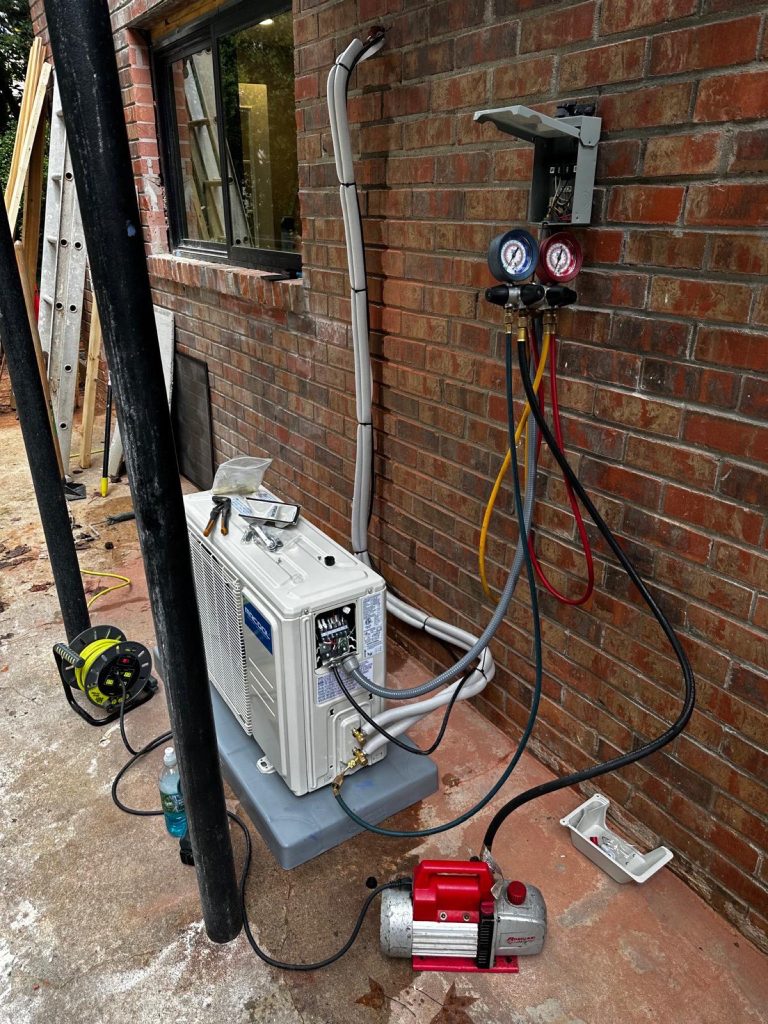
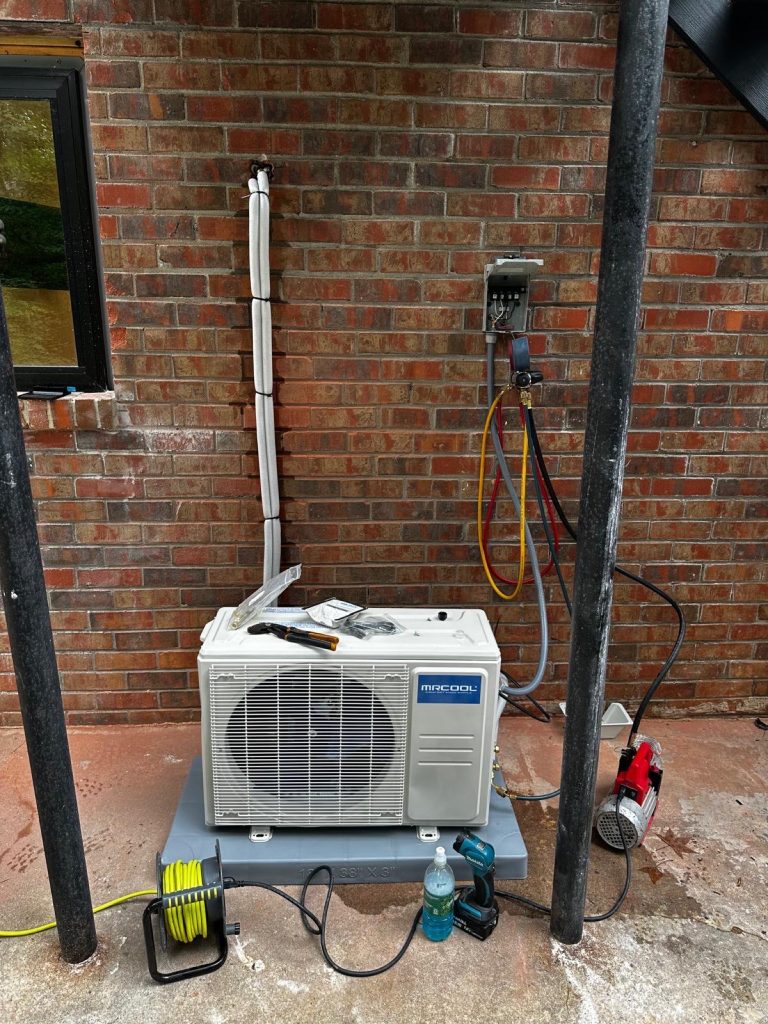
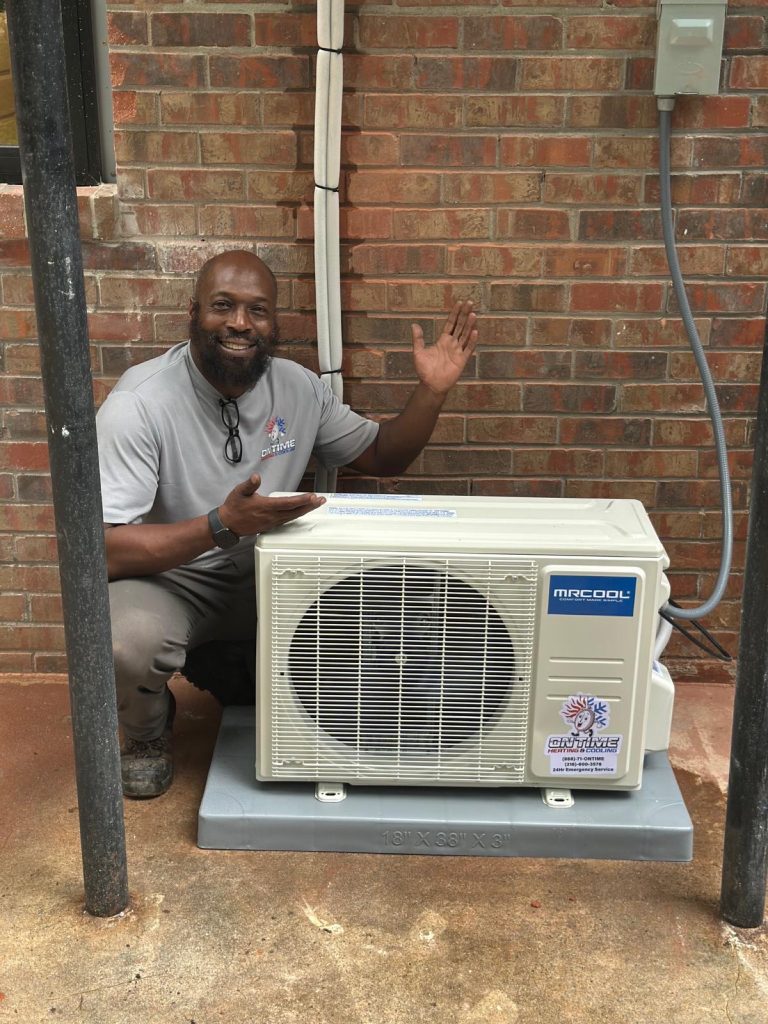
Sometimes neither a furnace nor a ducted heat pump is the best answer. A ductless mini split is a type of heat pump that heats and cools without ductwork. An outdoor unit connects to one or more indoor units that mount on a wall or ceiling.
A ductless mini split is worth considering if:
- Your home has no ducts, or the ducts are in poor condition
- You’ve added a room, garage conversion, or sunroom
- Certain rooms are always too hot or too cold
- You want separate temperature control in different zones
Because each indoor unit is controlled on its own, you only condition the rooms you use, which can help avoid wasted energy.
Dual-Fuel Systems: Using Both
You don’t always have to pick one. A dual-fuel system pairs a heat pump with a gas furnace. The heat pump handles heating and cooling in mild weather. When the temperature drops far enough, the system switches to the furnace for stronger heat.
This setup can combine the efficiency of a heat pump with the cold-weather strength of a furnace. It costs more up front, and it makes the most sense in places with hot summers and occasionally harsh winters. A technician can tell you whether it suits your home.
How to Decide: A Quick Checklist
A heat pump may be the better choice if you:
- Want one system for heating and cooling
- Live where winters are mostly mild
- Don’t have a gas line, or don’t want one
- Want steady, even comfort
A furnace may be the better choice if you:
- Already have gas service and good ductwork
- Face long stretches of very cold weather
- Prefer strong, hot air from the vents
- Want to keep your existing setup
A mini split may be the better choice if you:
- Have no ducts or poorly performing ducts
- Need to heat or cool an addition
- Want room-by-room control
Frequently Asked Questions
Is a heat pump better than a furnace?
Neither is better in every situation. A heat pump is often a strong choice where winters are mild, because it heats and cools efficiently. A furnace is often better where winters are long and very cold. Your climate, existing equipment, and budget should guide the decision.
Can a heat pump replace a furnace?
In many homes, yes. A heat pump can heat and cool your house on its own, especially in moderate climates. In colder regions, it may need backup heat or be paired with a furnace. A technician can check your home’s needs before you commit.
Do heat pumps work in cold weather?
Yes, but their output decreases as temperatures fall. Cold-climate models perform better than standard ones, and many systems include backup heat for the coldest days. If you expect long freezes, ask about the equipment’s low-temperature performance.
Which lasts longer, a heat pump or a furnace?
Furnaces often last longer because they work only in the cooler months. A heat pump runs year-round, so it tends to wear sooner. Lifespan for either depends heavily on installation quality and regular maintenance, so annual service helps both.
Is a heat pump cheaper to run than a furnace?
It depends. Heat pumps can be efficient because they move heat instead of making it, but your actual cost depends on local electricity and fuel prices, your home’s insulation, and the equipment you choose. Ask for an estimate based on your home.
Do I need ductwork for a heat pump?
A standard heat pump uses ducts, but a ductless mini split doesn’t. If your home has no ducts, or the existing ducts are in poor shape, a ductless system may be easier and more efficient.
How often should I service my heating system?
Once a year is a common recommendation for both heat pumps and furnaces. A yearly checkup helps the system run efficiently and can catch small problems before they cause a breakdown.
What is a dual-fuel system?
A dual-fuel system combines a heat pump with a gas furnace. It uses the heat pump when temperatures are mild and switches to the furnace when it gets colder. It’s an option for homes that need both efficiency and strong cold-weather heat.
Get the Right System for Your Home
Choosing between a heat pump and a furnace is easier when someone looks at your actual home, ductwork, and comfort needs. At On Time Heating & Cooling, we help homeowners compare their options and install a system that fits. Call us at (216) 600-3578 or request an estimate online to get started.